



Automatic Palletizer Machines for High-Volume Production
In fast-paced production environments, companies look for ways to speed up tasks without making mistakes. A reliable tool that helps factories maintain speed and accuracy is the automatic palletizer machine. These machines grip, lift, turn, and stack products onto pallets, eliminating the need for manual labor. Businesses use them to efficiently move boxes, crates, or bags along a production line and organise them with precision and care. When used properly, these machines remove delays, avoid injuries, and make stacking smarter and neater. The goal is not only to pack fast but to do it right every single time. These machines act with purpose and save precious time. They never get tired, and they always remember the correct steps.
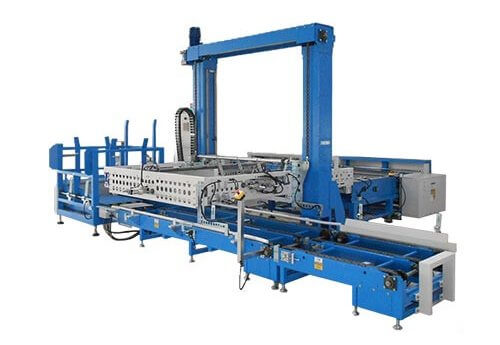
Types of Automatic Palletizers
Automatic palletizer machines arrive in many styles. Each works differently, and each fits certain jobs better than others. Picking the right one brings more speed and fewer problems.
Robotic Palletizers
These machines stretch mechanical arms that grab and stack items. The arms twist, lift, and turn things into neat piles. They follow programs to move exactly the way they should. This style adjusts easily when the product shape or size changes. The robotic palletizer stands firm in operations that need extra accuracy or that change often.
These robots work quietly but fast. They place each item in the right spot, without dropping or bumping into others. Their sensors help them check positions and sizes. They move gently but with strength. They use less space and handle different tasks without needing big changes in setup.
Layer Palletizers
Layer palletizers build an entire layer of items before moving them onto the pallet. This method works well for goods that are all the same. These machines press forward in jobs that need speed and don’t change much. They can move heavy boxes or packages in large numbers.
Layer palletizers rely on belts, rollers, or pushers that guide the items into rows and layers. Once the layer forms, a platform lifts or lowers the stack into place. These machines often run non-stop during shifts, creating big stacks with little mess.
Low-Level Palletizers
These machines pull items from the floor level. They work in places where space stays tight. Workers can see them closely and control parts if needed. They operate more slowly than high-level ones, but they make up for it in ease of use and comfort.
Low-level machines fit well in lines where workers still need to step in sometimes. They arrange boxes in calm patterns and don’t require much space above.
High-Level Palletizers
This type works from above the floor, usually with items dropped onto a moving belt. The machine shapes layers and sets them on top of the stack. These machines move faster than low-level ones and fit well in busy lines with high product flow.
How Automatic Palletizers Work
Every automatic palletizer machine follows a plan that controls how products shift from the line to the pallet. These machines behave like silent workers who never forget their steps. The products enter on a conveyor belt. Sensors watch them pass and tell the machine when and where to move. Robotic arms or layer builders step in. The machine grabs or nudges the items into a set pattern. It watches closely to make sure everything lines up straight.
Once one layer finishes, the machine moves the next group into place. Pallets rise or drop to help the machine keep stacking at the right height. Once full, the machine pushes the pallet forward and starts again.
These machines don’t guess. They follow clear rules and routines. Their sensors, programs, and controls make sure they do the job the same way, every time.
Layer Palletizers vs Robotic Palletizers
| Feature | Layer Palletizers | Robotic Palletizers |
|---|---|---|
| Speed | Very fast with uniform products | Slower with complex items |
| Flexibility | Low flexibility for changing shapes | High flexibility for different products |
| Space Requirement | Takes up more floor space | Needs less floor space |
| Precision | Stacks layers consistently | Handles delicate, irregular products well |
| Maintenance | Needs mechanical tuning | Needs software and technical updates |
When to Choose an Automatic Palletizer
Products Must Stay the Same
If your items change size or shape, a layer palletizer can sort and stack them quickly. These machines repeat the same moves without needing updates, which makes them ideal for uniform product lines.
When Handling Gets Too Heavy
When items weigh more than workers should lift, an automatic palletizer machine steps in, it takes over the hard lifting, keeps stacks tight, and reduces strain on people who used to carry the load.
Workloads Move Too Fast
When your production line speeds ahead and workers can’t keep up, it’s time to install an automated palletizer. These machines don’t pause for breaks. They match the line’s rhythm and keep things from piling up out of order.
When Space Feels Too Tight
Robotic palletizers stand firm in tight areas. They move their arms without needing large floors or high ceilings. If your site needs to stay compact, these machines still get the work done.
Cost and Throughput Advantages
Investing in an automatic palletizer machine brings strong value in return. A robotic palletizer may cost more to begin, but it cuts spending in other ways. These machines reduce the number of workers needed, lower risks of accidents, and shrink the cost of damaged goods. A typical system runs for years with limited maintenance.
High-volume palletizers speed up packing times and reduce delays. You produce more in less time. The machine doesn’t stop unless you command it to. Over time, these gains create huge savings and consistent results.
Electrical Control System Integration
Automated palletizers work best when they join smoothly with other machines. Electrical control systems let these machines talk with conveyors, wrappers, or labelers. This coordination keeps everything flowing as one unit. Every part follows the same plan, which helps the line move with purpose.

Industries Best Suited
Food and Beverage
Factories that pack bottles, boxes, or cans use palletizer machines to move items without spills or breaks. The machines help with smooth stacking that keeps food items safe until they reach stores.
Consumer Goods
From cleaning products to packaged items, this industry needs neat, firm stacks. Automatic palletizers build those stacks quickly without affecting pace or order.
Building Materials
Cement, bricks, and tiles weigh too much for hands to carry all day. Automated palletizers handle these with force and care. They grip tightly and place the items without breaking them or tilting the pallet.
Warehousing and Logistics
Storage centres and warehouses move goods in and out every minute. These machines grab, stack, and prepare packages for delivery without messing up. They help sort goods and build stable stacks for trucks to carry.
Conclusion
The modern production world is always changing. As businesses grow and the number of products increases, factories need to keep up. The automated palletizer is now an essential tool for efficient packing. It handles repetitive tasks, allowing workers to focus on more important jobs. With the right palletizer, factories can move products faster, reduce errors, and maintain a steady flow of goods. Companies that prioritize speed, accuracy, and smart design can rely on machines made for this job.
At Buildtech Systems, we deliver advanced robotic palletizer solutions tailored to handle your toughest stacking needs. From setup to aftercare, we ensure each system performs with strength, safety, and skill for every shift.
More Details:
Industrial Automation & Robotic Material Handling Solutions
Related Posts


Electrical Control Systems for Industrial Automation
In every industrial setup, machines and systems must operate in harmony. The electrical control system...

Automated Guided Robots (AGV & AMR) for Smart Factories
In factories, many teams want machines that can carry heavy items and move goods from...
