


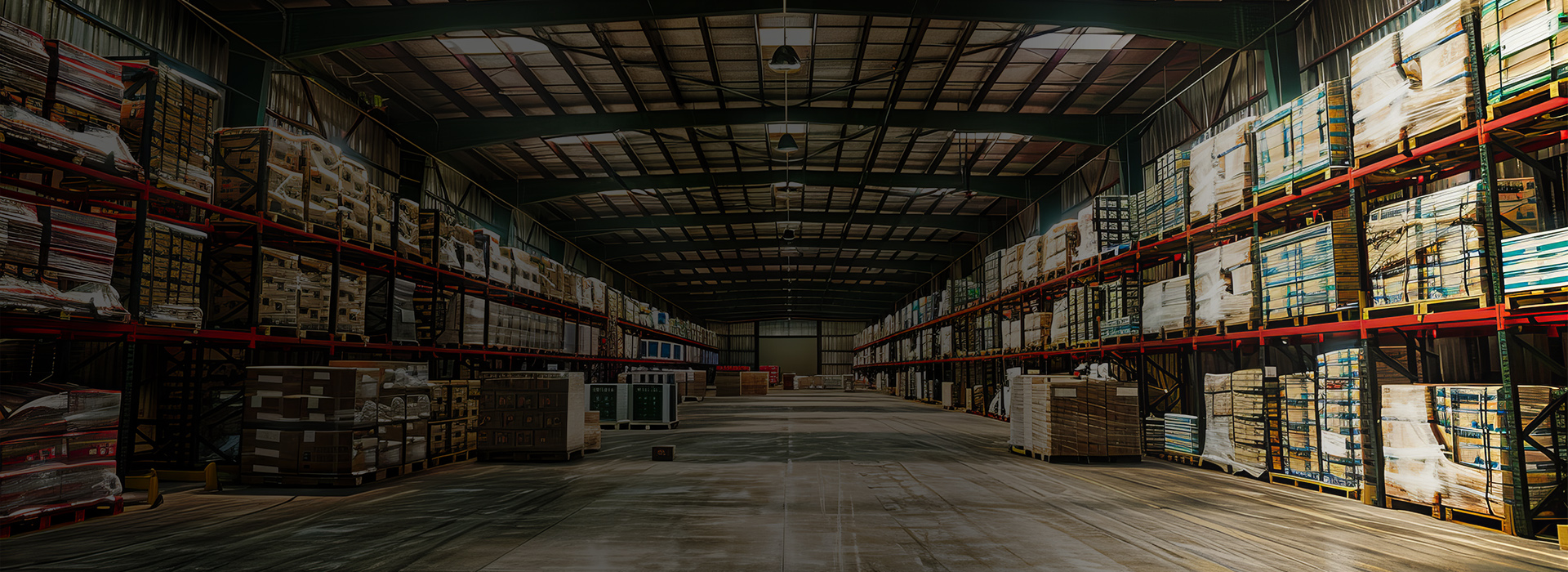
How Modern Warehouse Storage Solutions Improve Safety and Productivity
Warehouse work constantly changes as businesses grow and space fills quickly. To keep up with demand, modern warehouses must stay organised, safe, and fast. With the right systems in place, businesses can avoid confusion, save space, and prevent accidents. The backbone of this structure is smart storage. Proper warehouse storage solutions help teams move better, work faster, and reduce errors.
Instead of stacks of boxes or random shelves, clear systems keep things neat. These systems also help workers avoid lifting the wrong item or taking long walks across large areas. When layouts support the work, everything runs better. This guide explains how different solutions work and how to pick the right one for your business needs. Let’s explore how safety and speed grow together with the right storage tools.
What Are Warehouse Storage Solutions?
Warehouse storage solutions include shelves, bins, racks, and smart layouts. They hold goods firmly, guide picking paths, and help teams stay on track. These tools do more than just store items. They tame clutter, shield products, and speed up work.
Workers lean on them every day. They glance, grab, sort, and stack—over and over. Good storage helps them act fast without stress. It also stops goods from tumbling, breaking, or blocking paths.
So, storage isn’t just space it’s how that space works for your team. It shapes what happens next.
Types of Warehouse Storage Solutions
Each warehouse holds different products, so one system doesn’t fit all. Some items are heavy or tall. Others come in small boxes or mixed batches. Because of that, warehouses use many kinds of storage tools. Here are a few common options:
1. Pallet Racking Solutions
Pallet racking solutions hold large goods stacked on pallets. Forklifts often lift and place these into high rows. These racks save space and make good use of vertical areas. They also strengthen the structure in the storage zone by keeping items lined up and off the ground.
2. Shelving Units
Shelves support smaller items that teams pack by hand. They keep goods close and easy to reach. These fit well for light tools or boxes. Simple labels and colour codes help teams scan shelves and avoid confusion.
3. Mezzanine Floors
These raised floors add extra space above the main area. They help when floors feel full, without building a new room. Mezzanines stretch the warehouse skyward, turning unused air space into busy zones.
4. Cantilever Racks
These hold long or oddly shaped items, such as pipes or timber. They use arms instead of shelves to carry wide or narrow goods. The open layout makes loading and unloading swift and safe.
Each system helps teams move goods quickly, depending on the space and product type. The best setups often mix a few types. When paired well, these options lift warehouse efficiency far beyond the basics.

The Role of Material Handling Systems
Storage does more than just hold goods. It must work well with tools that move those goods. That’s where material handling systems come in. These systems include tools like forklifts, trolleys, and conveyors.
They move items from one place to another safely and fast. When handling systems match the storage layout, they reduce traffic and cut wait time. For example, forklifts work best with wide lanes between racks. In contrast, narrow aisles suit hand trolleys or robotic carts.
Well-matched systems let teams handle heavy goods with care. They also limit injuries from lifting or falling items. Together, storage and handling tools build a warehouse where safety and flow go hand in hand.
When storage works with transport tools, workers follow smoother paths, with fewer steps and better timing. The result is not just speed, but calm movement across the floor.
Key Benefits of Efficient Warehouse Storage Solutions
Good storage doesn’t just save space. It brings many hidden gains that boost your warehouse in many ways:
- Faster Movement: Teams find items quickly when goods sit where they should. This cuts time and boosts order speed.
- Fewer Errors: When shelves stay labelled and planned, workers grab the right item the first time.
- Better Safety: Strong racks and smart layouts stop goods from tipping or blocking walkways.
- More Space: Using vertical space means less clutter on the floor, which adds space without building new walls.
- Easier Stock Checks: Clear rows and tracked spots help staff count goods faster and fix missing stock.
- Improved Morale: A clean and smooth workspace keeps workers steady and proud of their task.
As warehouses grow, these benefits scale up too. What starts as a clean layout soon becomes a system that shapes how work flows across the entire site.
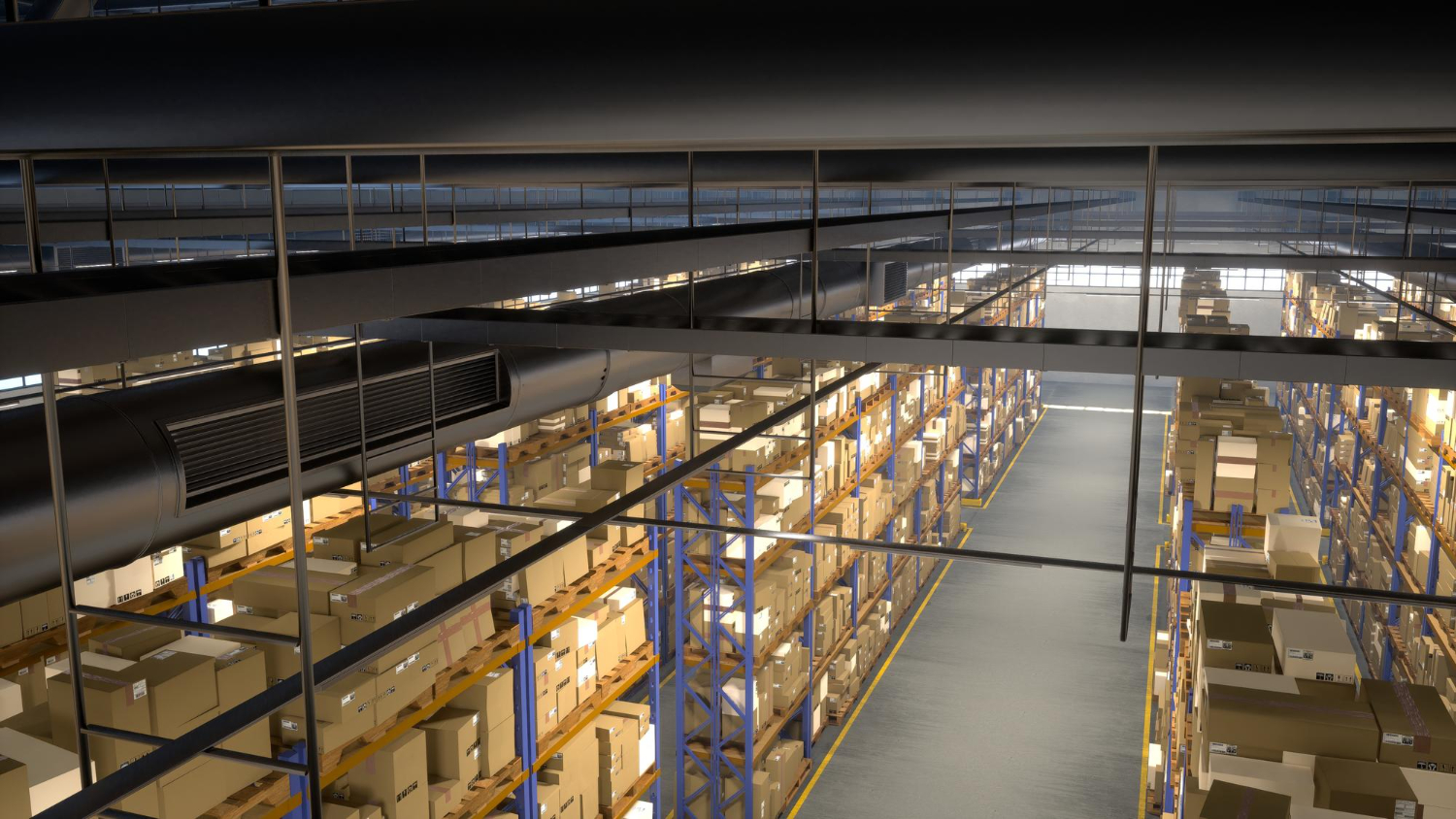
How to Choose the Right Storage Racking System?
With so many types of tools, how do you choose the right setup? Picking the best storage racking system starts with knowing your space and goods.
Ask yourself:
- What size and weight are the items you store?
- How often do workers pick from each rack?
- Do you need to grow later without moving everything?
Each answer points to a better fit. If items move often, use racks that staff can reach fast. If goods are heavy, strong steel racks hold them safely. If items change, pick a system that adjusts to new needs.
Also, think about the layout. Can machines pass between rows? Do racks block lights or vents? Make sure your system supports safety and comfort, too.
Good design welcomes change. Racks should not only hold weight but also bend with shifting needs as your stock list grows.
Future Trends in Warehouse Storage
As warehouses grow smarter, storage changes too. New ideas shape how shelves, racks, and space support teams. Here’s what to watch:
- Smart Tracking Tools: Labels and tags now connect to apps. This lets staff find items by phone or tablet.
- Modular Racks: Some racks now slide or change height, so teams shift them as needs grow.
- Robotic Picking: Machines now grab items from racks, cutting labour time and errors.
- Green Designs: New racks use less steel or recycled parts to cut waste and cost.
Warehouses may soon use AI tools that plan layouts based on usage patterns. This saves even more time and reduces guesswork.
These trends show how storage does more than hold goods. It shapes how warehouses work and grow. Companies that follow these paths often run safer and smarter sites.
Conclusion
Warehouse work depends on space, speed, and safety. When items sit in the right place, workers pick and move them with ease. Warehouse storage system give your team a base to build better flow and fewer errors.
With tools like pallet racking solutions and handling gear, your team moves faster and avoids injury. Using systems that match your space, goods, and needs helps everyone feel ready and safe. Over time, these gains build strong habits and smooth results.
As more businesses turn to new tools and ideas, storage will lead the way in shaping safer, smarter, and stronger warehouses. Choose systems that support your team, fit your space, and grow with your goals. The right storage solution won’t just hold goods it will carry your business forward.
Related Posts


Electrical Control Systems for Industrial Automation
In every industrial setup, machines and systems must operate in harmony. The electrical control system...

Automated Guided Robots (AGV & AMR) for Smart Factories
In factories, many teams want machines that can carry heavy items and move goods from...
