

Many businesses want speed, order, and growth, yet many warehouses still face trouble with space, work, and delays. An ASRS warehouse gives a smarter way by using machines to store and bring goods with care. This system lifts heavy items, sorts them, and sends them out without strain. As demand grows, companies must decide if this system suits their needs. This blog explains how it works, where it helps, and if it gives strong value. Clear ideas will guide any business to see if this choice supports steady work and plans.
It also helps warehouse owners understand how modern systems shape daily tasks and reduce stress in busy warehousing units. With better control and clear tracking, businesses can manage goods with ease and confidence.

The Drawbacks of Inefficient Warehousing
Poor warehouse systems waste time, space, and effort. Many businesses ignore these issues until problems grow. Knowing these limits shows the need for better systems.
1. Limited Space Usage
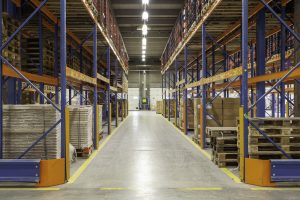
Old warehouse layouts scatter goods in wide areas and leave empty gaps. Workers place items without a clear plan, which wastes valuable space. As the stock grows, the area feels tight and messy. Workers take longer to find goods, and paths become crowded. This weak use of space forces businesses to rent more storage, which raises costs.
2. Slow Picking and Handling
Manual work needs people to walk, search, and lift goods. This slows order work and creates delays. Workers walk long paths to find one item, which wastes time. During busy times, orders gather and wait. Slow work also makes tasks feel dull and tiring for staff.
3. Frequent Human Errors
Manual tracking brings mistakes in counting and picking. Workers may place goods in the wrong spot or choose the wrong item. These mistakes bring returns and losses. Over time, small errors grow into big problems. Fixing them needs extra effort and time.
4. Rising Labour Costs
Warehouses depend on workers for lifting and sorting. As wages grow, costs rise too. Training new staff takes time and energy. When workers leave, gaps appear in work. This slows tasks and affects growth plans.
What Is an ASRS Warehouse?
An ASRS warehouse uses machines and smart systems to store and bring goods with speed and care. Robots place items in racks and fetch them when needed. A main system tracks every item and guides each move. This removes guesswork and reduces human effort. It also uses tall space, which allows more storage in less area. The system works all day without rest, which keeps the work smooth. By joining machines and software, this system builds a steady flow of goods.
When Does an ASRS Warehouse Make Sense?
Some businesses gain strong value from this system. Others may not need it yet. Knowing the right time helps avoid waste and brings better results.
1. High Inventory Volume
Businesses with large stock face trouble with space and tracking. Manual systems cannot handle growing demand. Automated storage arranges goods neatly and tracks them well. This helps manage large stock without confusion. It also saves time when workers look for items.
2. Need for Fast Order Fulfilment
Customers want quick delivery. Slow service breaks trust. Automated systems bring items fast and send them for packing without delay. This improves order speed and keeps customers happy. Fast work also helps businesses stand strong in busy markets.
3. Limited Warehouse Space
Cities often have small spaces and high rent. Expanding a warehouse may not work. Automated systems use tall racks and smart layouts to store more goods. This helps businesses grow without moving.
4. Focus on Accuracy and Safety
Some industries need strong accuracy and safe handling. Automated systems reduce mistakes and handle goods with care. This protects items and ensures correct delivery. It also keeps workers safe from harm.
ROI of ASRS Warehouse Systems
An automated ASRS warehouse system requires a significant initial investment, but it provides substantial returns over time. Businesses save money by using fewer workers and avoiding mistakes. Quick work boosts productivity and keeps customers satisfied. Space savings reduce the need for expansion. Accuracy lowers returns and losses. Many businesses recover their cost in a few years. After that, the system keeps giving value through steady work.
ASRS vs Traditional Warehousing
This section shows clear differences between the two systems.
| Feature | ASRS System | Traditional Warehouse |
| Storage | Uses the tall space smartly and stores more goods in less area | Uses wide floor space and leaves unused gaps |
| Speed | Moves goods fast with machines and planned paths | Relies on slow manual walking and lifting |
| Accuracy | Tracks each item with strong control and reduces mistakes | Faces errors in counting and picking |
| Labour | Needs fewer workers and reduces heavy work | Needs many workers for daily tasks |
| Safety | Protects workers from lifting and risky tasks | Brings higher risk of strain and injury |
Types Of ASRS And When to Use Them
Different systems serve different needs. Choosing the right one ensures smooth work.

1. Unit Load Systems
These systems carry large and heavy items on pallets. Cranes move goods with strength and care. Factories and large centres benefit from this system.
2. Mini Load Systems
Mini load systems handle small goods like boxes and bins. They move fast and suit places with many item types. Retail and online stores gain from this system.
3. Shuttle Systems
Shuttle systems use small robots that move inside racks. These robots bring items to workers. This system suits fast-moving goods and dense storage.
4. Vertical Lift Modules
These systems store goods in tall trays and bring them down to workers. They save space and reduce walking. Small warehouses find this system helpful.
Common Mistakes When Investing In ASRS
Many businesses rush into this system without planning. Avoiding mistakes helps achieve better results.
1. Ignoring Future Growth
Some businesses plan only for today. As needs grow, the system may fail. Planning for growth helps avoid costly changes later.
2. Choosing The Wrong System Type
Each system serves a different need. Picking the wrong one leads to weak results. Businesses must study their needs before choosing.
3. Poor Layout Planning
A weak layout slows movement and creates blockages. A good plan ensures smooth flow and proper space use.
4. Lack of Staff Training
Even automated systems need skilled people. Without training, workers struggle to use the system. Training builds confidence and smooths work.
Seamless Connection with Warehouse Software Systems
Automation works best when it connects with software systems. A strong link helps track goods in real time. Warehouse systems guide tasks and manage stock well. ERP systems share data across teams. When these systems connect, businesses see all movements clearly. This improves decisions and keeps work smooth.
Why Buildtech’s ASRS Solution?
Choosing the right partner shapes success. Buildtech offers systems that blend smart design with strong performance.
1. Customised System Design
Each business has different needs. Buildtech shapes systems to match those needs. This improves flow and saves space.
2. Advanced Technology Use
Buildtech uses modern machines and smart systems. This improves speed and accuracy. The system adapts to change.
3. Strong Support and Service
Support ensures smooth work. Buildtech guides setup and daily use. This helps avoid problems.
4. Focus On Long-Term Value
The system aims to give lasting gains. It improves work and reduces costs over time.
Is ASRS Suitable for Small or Medium Warehouses?
Many small businesses wonder about this system. The answer depends on needs and growth.
1. Space Constraints in Small Warehouses
Small spaces create storage problems. Automated systems use tall spaces and smart layouts to store more goods.
2. Gradual Investment Options
Businesses can start small and grow later. This reduces risk and supports steady growth.
3. Improved Efficiency with Limited Staff
Small teams handle many tasks. Automation reduces workload and improves output.
4. Scalability for Growth
As businesses grow, needs change. Automated systems adapt easily and support plans.
The Future of Warehouse Automation
1. Rise Of Smart Robotics
Machines grow smarter each year. They learn patterns and improve their work.
2. Data-Driven Decisions
Data collection systems help develop better plans, which lead to improved results.
3. Focus on Sustainability
Automation saves energy and reduces waste. This supports eco-friendly goals.
Conclusion
An automated system brings strong value for businesses that seek better work, accuracy, and growth. It solves common problems and improves daily tasks. The start cost may feel high, yet the long-term gains often make it worthwhile. Each business must study its needs before deciding. A well-planned system supports growth and steady work. By using modern systems, businesses can stay strong and meet rising demand with ease. It also helps build a future-ready operation that stays organised, safe, and efficient even as business demands continue to rise over time.