


A busy warehouse has one clear priority: parcel data must be accurate and processed quickly. Many teams still use hands to measure, and those steps bring delays, mistakes, and rising costs. A static DWS system steps in as a steady and simple fix. It collects size, weight, and barcode information in one place. Yet, some setups follow speed and look at in-motion systems instead. Each option serves a different need.
This blog shows both systems in a clear way. It helps users see how each one works, where each one fits best, and how the right choice can shape daily work and long-term growth strongly and steadily.
The Problem with Manual Parcel Handling
Manual handling may look easy, yet it often controls hidden problems. These issues grow and disturb smooth warehouse flow in many ways.
1. Inconsistent Measurements
Workers stretch tape and read scales, yet each person reads numbers in a new way. One worker may round up, while another may miss a corner. These small gaps grow into big mistakes over time. As a result, shipping costs rise, and trust reduces. Accurate billing becomes more difficult. Over time, these errors pile up and hurt profit. Clear and correct numbers help every step, yet manual work fails to keep them steady.
2. Slow Processing Speed
Manual steps slow down daily work in a clear way. Workers must pick each parcel, measure it, and write details. This task repeats often. During busy hours, long lines form and delay shipments. Orders take more time to leave the warehouse, and customers may lose patience. Slow speed breaks the flow of work. A fast system can lift this burden and keep work moving on a smooth path.
3. Human Fatigue and Mistakes
Long work hours tire workers and affect their focus. Tired hands and minds miss small checks. A wrong digit or a missed scan can spark big trouble later. Errors spread into billing, stock, and delivery systems. Fixing these errors takes time and effort. Fresh energy helps work, yet long shifts drain it. A system that handles tasks can reduce this load and keep work clean and sharp.
4. Lack of Data Flow
Manual records exist on paper or in small files. These records do not move with ease into warehouse systems. Teams struggle to track parcels or study trends. Without smooth data flow, planning turns weak and slow. Clear data should travel fast, yet manual logs block this path. A digital system opens this path and allows data to move with ease and speed.
What Is an In-Motion DWS?
An in-motion DWS measures parcels while they move along a conveyor belt. The system uses sensors, cameras, and scales to capture size, weight, and barcode data in one smooth flow. Workers do not stop or handle each parcel, so the process stays fast and steady.
This system suits high-volume warehouses were speed matters most. It scans each item in real time and sends data to warehouse systems without delay. As a result, operations run faster and handle large parcel loads with ease, while still keeping good accuracy for shipping and billing tasks.
What Is A Static DWS System?
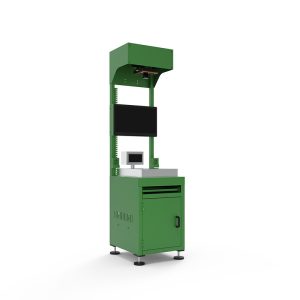
A static DWS system captures parcel data while the item rests still on a platform. It measures size, weight, and barcode in one quick step. Sensors and cameras scan the parcel and create a clear data record. This system suits warehouses that need strong accuracy and control.
It does not rush parcels through a line. Instead, it focuses on clear capture. Teams place each item, scan it, and move ahead with trust. This method keeps data neat and easy to manage.
When a static DWS system is the better choice
Some setups need control more than speed. In such cases, this system stands as the stronger path and gives steady results.
1. Low To Medium Parcel Volume
Warehouses with steady yet not huge parcel flow gain from a static setup. Workers can place each parcel with care and without rush. The system captures clear data without stress. This balance keeps work calm and neat. A smooth pace helps teams stay focused and avoid errors that may arise during rush hours.
2. High Accuracy Requirement
Some fields demand strict accuracy at all times. Even a small error can raise costs or spark disputes. This system ensures each parcel gets full focus. It scans every side and records the correct values. This level of care guards’ profit and builds trust with partners. Accurate data keeps every step in line.
3. Varied Parcel Shapes
Odd-shaped parcels often confuse fast systems. A static setup handles these shapes with ease. Workers handle each item carefully, while sensors adjust to accurately capture the necessary data. This skill supports many product types. The system bends to suit each parcel and keeps work steady.
4. Budget Control and Simplicity
A static solution often needs a less complex setup. It does not depend on long belts or fast-moving parts. Teams can set it up and run it with ease. Care and maintenance stay simple, and training stays short. This path helps teams save time and effort.
Static DWS Vs In-Motion DWS
Both systems serve warehouse needs, yet they differ in design and use. The points below show clear differences between them.
| Feature | Static System | In-Motion System |
| Parcel Movement | Parcel stays still | Parcel moves on the conveyor |
| Speed | Moderate pace | High-speed processing |
| Accuracy | Very high accuracy | Good accuracy with speed trade-off |
| Setup | Simple installation | Complex conveyor setup |
| Best Use | Controlled environments | High-volume operations |
Industrial Use of Static DWS Systems
Many fields rely on this system to keep strong control over parcel data and ensure clear and steady work.

1. E-Commerce Fulfilment Centres
These centres handle many product types each day. A static system lets workers measure each parcel with care. This step ensures correct billing and smooth order flow. It also supports returns with clear data. This process helps teams keep work in order.
2. Third-Party Logistics Providers
3PL firms manage shipments for many clients. Each client may follow new rules. A static system helps keep clear records for each one. It supports correct billing and builds trust. Clear data helps firms serve clients with ease.
3. Manufacturing Units
Factories ship goods in many shapes and sizes. A static setup handles these with ease. It ensures each shipment carries clear data. This step supports smooth delivery and avoids disputes. A clear process helps factories run better.
4. Courier Service Hubs
Courier hubs need correct data before dispatch. A static system grabs details before parcels move ahead. This step cuts errors during sorting and delivery. It keeps work smooth and steadily. Clear data helps each parcel reach the right place.
Key Benefits of a Static DWS System
This system offers strong gains that support daily warehouse work and keep tasks clear and smooth.
1. High Measurement Accuracy
The system scans parcels with care and detail. It captures the correct size and weight each time. This accuracy eliminates billing issues and keeps costs stable. It also builds trust with shipping partners and clients.
2. Easy Operation
Workers learn to use the system with ease. The process stays simple: place, scan, and move. This ease eliminates training time and lifts workflow. It keeps daily tasks clear and neat.
3 Strong Data Management
The system records data in digital form. This data flows into warehouse systems with ease. Teams can track parcels, study trends, and plan better. Clear data helps make strong decisions.
4. Flexible Usage
The system adapts to many parcel types. It handles small packs, big boxes, and odd shapes. This skill supports many fields and keeps work smooth and steady.
Signs Your Business Needs A Static DWS System
Some signs show when a warehouse needs this system and when manual work no longer fits.
1. Frequent Billing Errors
If bills often show errors, wrong measurements may cause the issue. A static system captures exact data and removes guesswork. This step improves billing and guards profit.
2. Slow Manual Processes
If workers spend too much time measuring, change becomes vital. A static system speeds up the process while keeping accuracy high. It cuts delay and lifts flow.
3. High Return Or Dispute Rate
Frequent disputes with carriers show weak data capture. A static system records clear values. This clarity avoids disputes and builds trust.
4. Growing Parcel Variety
If the warehouse handles many parcel types, manual steps may fail. A static system handles many shapes with ease. It keeps work steady and smoothly.
Integration With Existing Warehouse Systems
Modern warehouses rely on linked systems to run well. A static setup links with warehouse tools, transport tools, and billing tools. It sends data in real time. This link avoids manual entry and mitigates errors. Teams can track each parcel from start to end. Managers gain clear insight into work. This flow supports better planning and faster choices. Integration also prepares the warehouse for growth and change.
Why Choose Buildtech Static DWS Solution?
Choosing the right system shapes long-term success. Buildtech offers a solution that fits many needs and keeps work smooth.
1. Reliable Technology
The system uses strong sensors and clear imaging tools. These tools capture precise data with care. This strength keeps work smooth and reduces downtime.
2. User-Friendly Design
The system shows a simple layout. Workers can learn and use it with ease. This design reduces training time and lifts daily work.
3. Scalable Solution
The system grows with business needs. It can handle more volume without a big change. This skill supports growth and long-term plans.
4. Strong Support And Integration
The solution links with existing systems with ease. It supports smooth data flow and system match. Teams get support during setup and use, which keeps work steady.
Conclusion
Choosing between static and in-motion systems depends on clear needs. A fast warehouse may chase speed, yet accuracy and control stay key. A static DWS system offers strong precision, simple use, and flexible handling. It suits businesses that value steady work and clear data. While in-motion systems serve fast lines, static systems deliver steady results across many fields. Each warehouse must assess its volume, parcel types, and accuracy needs before making a choice. A smart choice leads to better work, lower cost, and smooth growth over time.