


How Automated Packing Systems Are Transforming Modern Warehouses
Every warehouse works best when tasks move fast and without confusion. In busy storage areas, people often move goods by hand, which takes time and can lead to mistakes. To handle more orders with less effort, many warehouses now rely on smart systems that pick and move items without delay.
These smart tools follow clear paths, reduce errors, and speed up work. They allow teams to send out goods quickly and stay ahead of orders. Automated Packing Systems play a major role in this shift. They change how workers find and collect products, making the entire space run better. As warehouses grow larger and needs become more urgent, the demand for smooth, automated help grows stronger. The change also lifts worker confidence, as they focus more on quality than speed.
What Is an Automated Packing System?
An automated Packing system uses machines and software to gather items from shelves. It works based on a list of goods, moving through the warehouse to collect everything needed for a customer or job.
Instead of people walking long distances, machines take on the task. The system follows a plan, picks the right goods, and brings them to a central spot for packing. This makes the whole process smooth and reduces tiredness for workers.
In most warehouses, this system connects with stock data, so every item stays counted and traced from start to finish. It also helps managers spot delays or missing stock before it causes bigger problems. These systems also free up human hands for tasks that need more thought or care.
Types of Automated Packing Systems
Different warehouses need different tools. There are many types of systems, and each one helps with Packing in its own way. Below are three common types used today:

1. Pick-to-Light (PTL) System
The PTL warehouse system uses lights and displays at shelf locations. Lights flash where the worker should go, showing what and how much to pick. This helps reduce search time.
2. Voice Packing System
With this system, workers wear headsets. A voice tells them where to go and what to pick. It leaves their hands free and helps them move quickly. These tools reduce confusion and help workers stay focused. The voice instructions also adjust when needed, allowing staff to stay in rhythm with the flow of orders.
3. Robotic Packing System
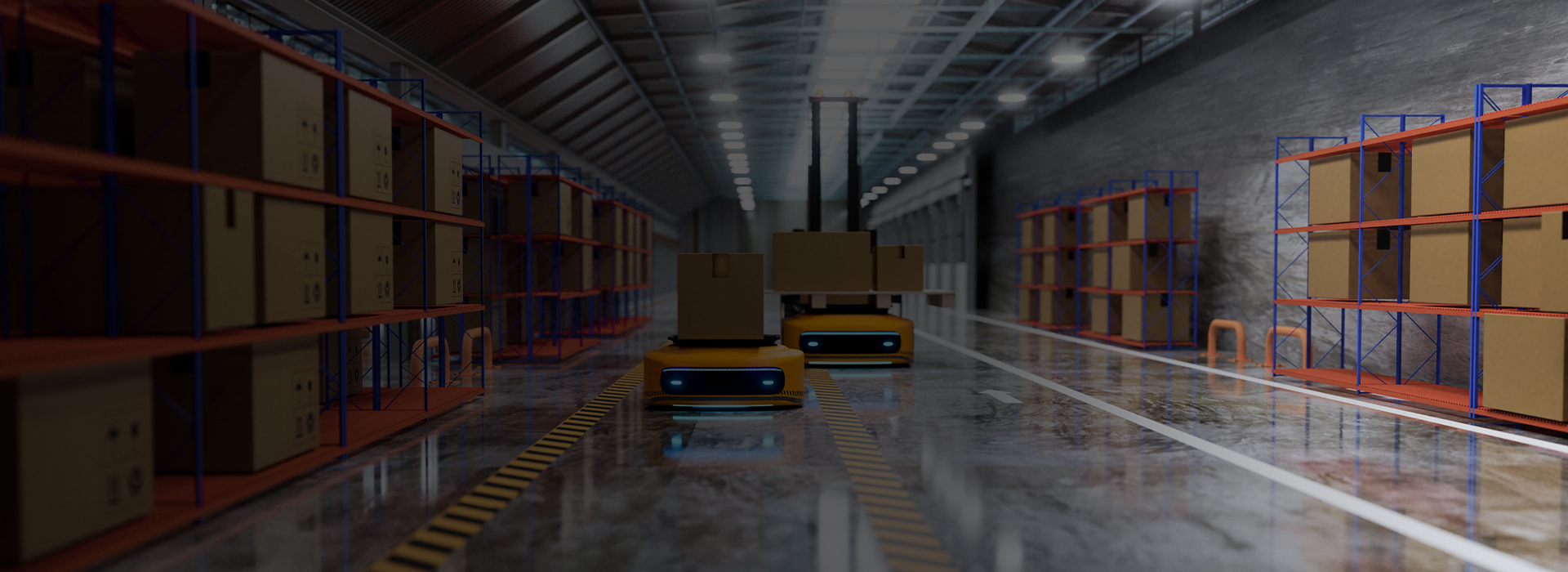
Robots move through shelves to find and bring items. These systems work fast and can run all day. They suit large warehouses with many items. Robots also adapt well to changing layouts and product mixes. Some even sort items by size or shape, which adds speed and order to the packing area.
Each system improves picking, but the best choice depends on the size and type of warehouse.
How Automated Packing Systems Improve Efficiency?
Using machines to pick items cuts time, lowers mistakes, and saves money. It also helps teams handle more work with fewer delays. The system shows exactly where items sit, reducing the time spent walking and checking.
With fewer errors, fewer orders get returned. This saves space, effort, and cost. Workers also face less strain because they walk less and lift fewer goods by hand. It builds a safer, calmer workspace where energy gets used wisely. In fast-moving sites, this calm focus matters just as much as speed.
Here’s a look at how Packing systems boost results:
| Area Improved | Impact on Warehouse |
| Speed | Goods get picked and packed faster |
| Accuracy | Fewer mistakes in orders |
| Labour | Workers move less, feel less tired |
| Safety | Fewer trips and falls on the floor |
The system works like a guide, showing each step clearly and cutting down guesswork. Even new workers can learn the process fast and start strong. Over time, the system also gathers data, which helps fine-tune how tasks unfold.
Integration with ASRS Warehouse Solutions
Automated Packing works well alone, but even better with storage tools. Many businesses now connect it to ASRS Warehouse Solutions, which stands for Automated Storage and Retrieval Systems.
These systems store goods in high racks or boxes and move them with machines. When the Packing system and ASRS link together, the whole process flows like a line. Items move from storage to packing without people lifting or sorting.
This setup saves space. It also helps teams use every corner of the warehouse. Both systems talk to each other and act based on data. This keeps stocks up to date and orders moving fast. It also lets teams scale up quickly when demand spikes.
With this setup, managers gain better control over busy seasons and changing order sizes. Fewer touches also mean fewer chances for product damage or loss. Together, these systems form the core of a modern, agile warehouse.

Choosing the Right Order Packing Solution
Not all systems suit every space. Some warehouses hold big, heavy items. Others deal with small tools or many different types of products. That’s why Packing the right system matters.
To make the best choice:
- Look at the size and layout of your space
- Think about how many items you handle each day
- Check your team’s size and how much they move
Smart order packaging solutions must match your workflow. If your team packs many small orders, a voice or light system may help most. For large loads, robots may do better.
The best systems grow with your needs. So plan for now, and think of the future too. Pick a system that bends with changes instead of breaking under pressure. Always weigh ease of use, speed, and how well it fits your stock flow.
Future Trends in Automated Picking
As tools improve, Packing becomes faster and smarter. New machines learn how to move better. Software becomes easier to use. Future systems may even plan tasks on their own.
These trends shape what comes next:
- Use of smart sensors to track goods in real-time
- Mobile robots that avoid people and plan routes
- Cloud systems that update all data across many sites
Warehouses will likely use more machines to save time and improve work. Still, people will guide and fix systems when needed. The goal stays the same make sure the right item reaches the right place, on time.
In the near future, we may also see systems that adjust based on weather, time of day, or even staff energy levels. These smart tools will help warehouses think ahead and act faster, without needing more people.
Conclusion
Work in warehouses has changed fast. Today, machines help workers do more with less effort. Automated Packing System lead this change by speeding up how items move, how teams pick goods, and how orders reach customers.
By linking Packing systems with ASRS Warehouse Solutions and choosing the right order packing solutions, teams save time and cut down on mistakes. Smart planning also helps staff stay safe and fresh during long shifts.
The warehouse of tomorrow doesn’t wait. It moves with purpose, powered by smart systems and steady teams. With each upgrade, it builds a stronger, faster, and more trusted space for work.
As more companies search for better ways to handle goods, these systems will become the new standard guiding the future of smart, simple, and strong warehouse work.
Related Posts


Electrical Control Systems for Industrial Automation
In every industrial setup, machines and systems must operate in harmony. The electrical control system...

Automated Guided Robots (AGV & AMR) for Smart Factories
In factories, many teams want machines that can carry heavy items and move goods from...
